Reviewers Guidelines
Reviewer Guidelines
Academic Journal of Electrical and Computer Engineering (AJECE)
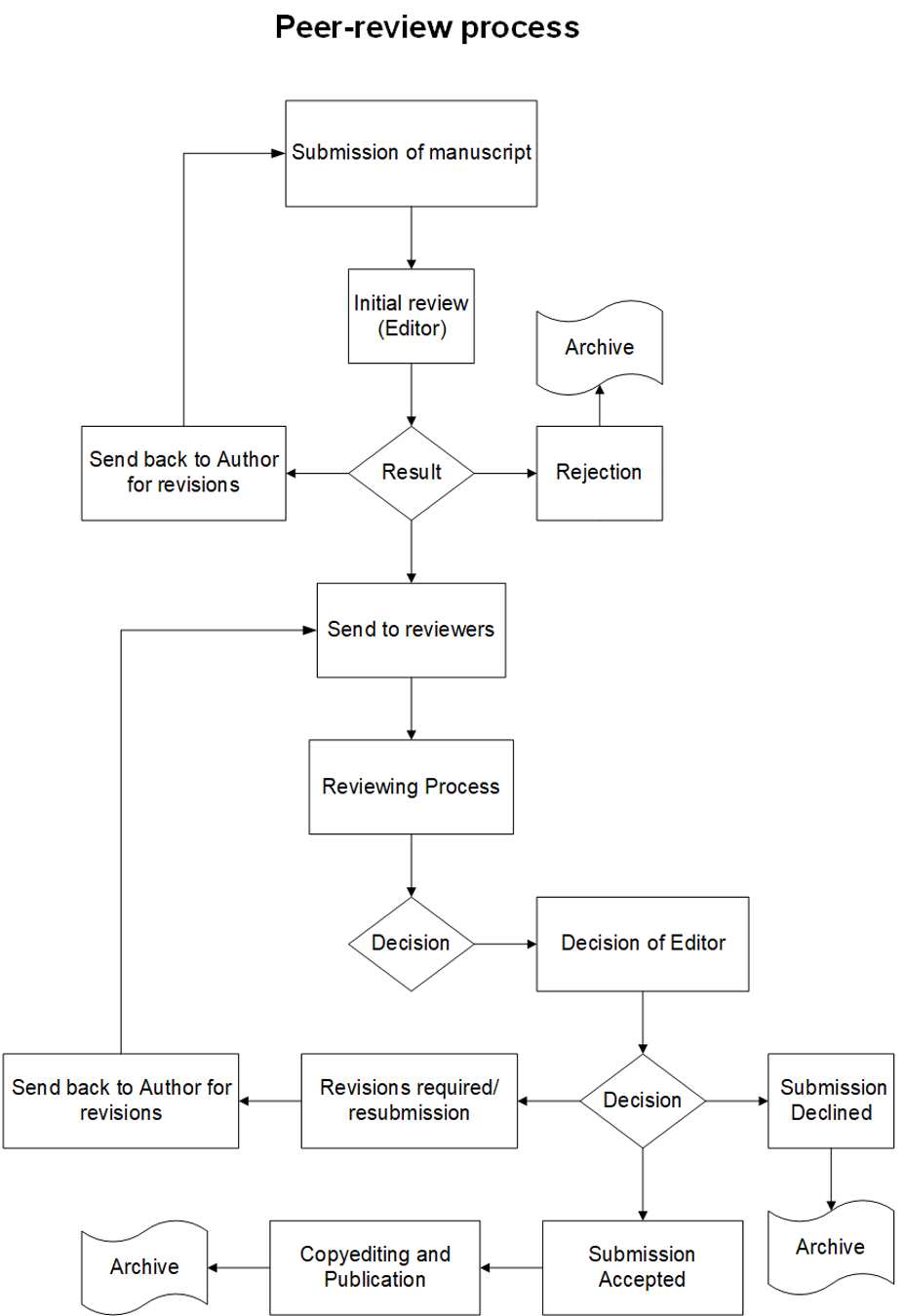
The peer-review process is fundamental to ensuring the scientific quality, credibility, and academic integrity of the Academic Journal of Electrical and Computer Engineering (AJECE). Reviewers are entrusted with evaluating the originality, technical soundness, significance, clarity, and relevance of submitted manuscripts. The following guidelines are intended to assist reviewers in conducting fair, objective, and constructive evaluations.
Reviewer Responsibilities
- Confidentiality
- All manuscripts received for review must be treated as confidential documents.
- Reviewers must not disclose, distribute, or discuss any part of the manuscript with individuals outside the editorial process without explicit permission from the Editor.
- Information obtained through peer review must not be used for personal, academic, or commercial advantage.
- Conflict of Interest
- Reviewers should immediately notify the editorial office if any potential conflict of interest exists, including personal, professional, institutional, or financial relationships that may affect their objectivity.
- If a conflict of interest could compromise an impartial assessment, the reviewer should decline the review invitation.
- Timely Review
- Reviewers are expected to complete their evaluations within the period specified by the journal.
- If circumstances prevent completion of the review within the allocated timeframe, the reviewer should inform the Editor as soon as possible.
- Professional and Constructive Assessment
- Reviews should be objective, respectful, and evidence-based.
- Critiques should focus on the scientific content rather than the authors.
- Reviewers are encouraged to provide constructive suggestions that help improve the quality and clarity of the manuscript.
Evaluation Criteria
When reviewing a manuscript, reviewers should consider the following aspects:
Originality and Contribution
- Does the manuscript present novel ideas, methods, or findings?
- Does it contribute meaningfully to the fields of electrical engineering, computer engineering, or related disciplines?
Technical Quality
- Are the research methods, experiments, simulations, or analytical approaches scientifically sound?
- Are the results valid, reproducible, and properly interpreted?
Organization and Clarity
- Is the manuscript logically structured and clearly written?
- Are figures, tables, and equations adequately presented and explained?
Literature Review and References
- Does the manuscript adequately reference relevant and recent literature?
- Are important studies in the field properly acknowledged?
Conclusions and Impact
- Are the conclusions supported by the presented data and analysis?
- Is the practical or theoretical significance of the work clearly demonstrated?
Recommended Review Format
- Manuscript Summary
Provide a concise overview of the manuscript, including its objectives, methodology, and principal findings.
- Major Comments
Identify significant concerns that should be addressed before publication. These may include:
- Methodological weaknesses
- Insufficient experimental validation
- Inadequate data analysis
- Unsupported claims or conclusions
- Missing references to key literature
Where possible, provide clear recommendations for improvement.
- Minor Comments
List smaller issues that can enhance the manuscript's quality, such as:
- Grammatical or typographical errors
- Ambiguous wording
- Formatting inconsistencies
- Minor corrections to figures, tables, or references
- Final Recommendation
Select one of the following recommendations:
Accept
The manuscript meets the journal's standards and can be published in its current form.
Accept with Minor Revisions
The manuscript requires only minor modifications before publication.
Major Revisions Required
Substantial improvements are necessary. The revised manuscript should undergo further evaluation before a publication decision is made.
Reject
The manuscript does not satisfy the scientific, technical, or editorial standards of AJECE, or falls outside the journal's scope.
Responsibilities After Review
- Reviewers may be invited to evaluate revised versions of manuscripts they previously reviewed.
- During subsequent reviews, emphasis should be placed on determining whether the authors have adequately addressed the concerns raised in earlier review rounds.
- Reviewers must continue to maintain confidentiality and refrain from using any unpublished material for personal benefit.
Ethical Considerations
Reviewers should alert the Editor if they identify:
- Possible plagiarism or duplicate publication.
- Data fabrication, falsification, or manipulation.
- Ethical concerns involving human participants, animals, or research integrity.
- Significant overlap with previously published work.
By providing rigorous, fair, and constructive evaluations, reviewers contribute significantly to maintaining the scholarly excellence and reputation of the Academic Journal of Electrical and Computer Engineering (AJECE).